
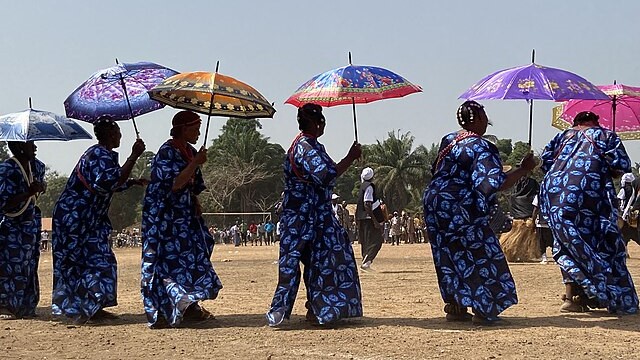
In Guinea, festivals unfold as living expressions of identity, blending music, dance, food, and art into communal celebrations that speak as much to the future as they do to the past. Across this West African nation, gatherings both large and small serve as reminders of the cultural diversity that defines the country, while also reinforcing the bonds of shared tradition.
One of the most widely recognized events is the Fête de la Musique, staged each June in towns and cities nationwide. Streets fill with sound—rhythms from traditional percussion ensembles mixing with the improvisations of griot storytellers, reggae bands, and contemporary performers. The festival, originally rooted in France and embraced across Francophone Africa, has become a platform in Guinea for musicians of all backgrounds to showcase their artistry. It is both a celebration of heritage and a showcase of innovation, where local forms stand alongside global influences.
Fashion, too, finds its stage. The International Festival of African Fashion (FIMA) draws designers from across the continent to present garments that fuse tradition with modernity. Guinean artisans join peers from neighboring countries, highlighting the region’s wealth of fabrics—brightly dyed cottons, embroidered patterns, and handwoven textiles that carry centuries-old stories. Each garment on display tells more than an aesthetic tale; it reflects histories of craft, migration, and cultural pride.
Other festivals turn attention to the land itself. In farming communities, the Gbagba Festival marks the end of the harvest season. Villagers come together to share food, dance, and music, giving thanks for the year’s bounty. Communal meals—often built around rice, cassava, or yams—reinforce the close relationship between agriculture and community life. What emerges is more than a feast: it is an affirmation of resilience, solidarity, and gratitude.
Equally compelling are the Mask Dance Festivals, held in various regions and steeped in spiritual and cultural symbolism. Performers in elaborately carved masks bring ancestral myths to life through movement and song. The dances serve as both entertainment and ritual, transmitting stories that might otherwise fade. With each performance, communities reaffirm their links to history, ensuring that traditions remain relevant for future generations.
Taken together, Guinea’s festivals embody both the diversity and the cohesion of its people. They are at once celebrations of art, agriculture, and spirituality, and reminders of a shared identity forged through difference. The country’s cultural calendar, crowded with events that range from street music to sacred dance, underscores the centrality of community to daily life.
In these festivals, the nation presents itself not as a static museum of traditions but as a dynamic, evolving society—one where unity is expressed through the joy of collective celebration.
Selected Sources
- Camara, Sory. Griots and Griottes: Masters of Words and Music. Indiana University Press, 1996.
- Conrad, David C. Somono Bala of the Upper Niger: River People, Charismatic Bards, and Mischievous Music in a West African Culture. Indiana University Press, 1990.
- UNESCO. “Fête de la Musique: Cultural Events in Francophone Africa.” UNESCO Cultural Reports, 2021.
- Niang, Abdoulaye. African Fashion, Global Style: Histories, Innovations, and Ideas You Can Wear. Indiana University Press, 2019.