
Most travelers to Madagascar don’t just come for its extraordinary wildlife and stunning landscapes; they also seek to immerse themselves in the vibrant culture that ties the island together. One of the most enchanting ways to experience this culture is through traditional Malagasy music, which tells stories, preserves history, and encapsulates the spirit of the people. By delving into the melodies, rhythms, and instruments of Madagascar, you will discover a deeper understanding of the island’s heritage and identity.
The music of Madagascar is as diverse as its geography, reflecting influences from Africa, Asia, and even Europe. Each region boasts its own distinct styles and instruments. When you listen closely, you’ll find that these musical forms often accompany various rituals, celebrations, and daily activities, strengthening social bonds within communities. For example, the traditional folk music known as “hiragasy” is often performed during festive occasions and communal gatherings, bringing people together to celebrate life and express their shared culture.
The instruments used in traditional Malagasy music are as unique as the sounds they produce. One popular instrument is the “valiha,” a bamboo tube zither that creates rich, resonant tones. This instrument is more than just a musical tool; it represents the island’s connection to nature and the importance of using local materials. As you hear the valiha’s melodies, you can almost feel the rhythm of the island’s natural environment. Additionally, percussion instruments like the “marovany,” a wooden box zither often played with a flat stick, further enhance the captivating musical atmosphere.
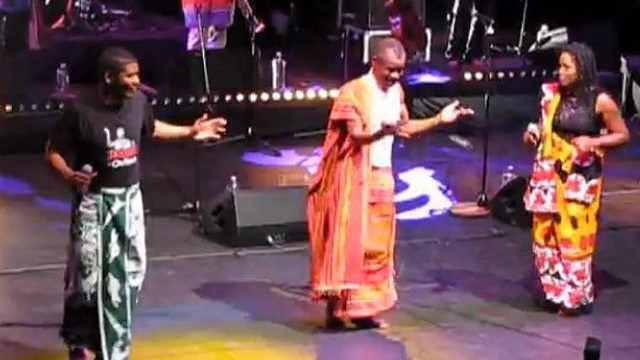
In Madagascar, music is closely intertwined with dance. Traditional dances often accompany performances, creating a multisensory experience that draws you into the cultural narrative. Participating in or observing these dances can be transformative, as they often express emotions ranging from joy to sorrow, celebrating life’s milestones and honoring ancestors. The vibrant costumes and movements reflect the history and beliefs of the Malagasy people, providing context that is palpable as you witness the performances.
As you explore Madagascar, you will also encounter the concept of “fihavanana,” which emphasizes family, community, and interconnectedness. This idea permeates both daily life and music, resonating in the lyrics of songs and the collaborative nature of musical performances. Engaging with local musicians or attending community festivals can give you profound insight into how music shapes social relationships and promotes unity.
The resurgence of traditional Malagasy music in contemporary settings reveals a dynamic interplay between preservation and innovation. You might come across young artists blending traditional sounds with modern genres, making this important cultural heritage accessible to a broader audience. Such fusion not only breathes new life into traditional music but also fosters a sense of pride in Malagasy identity among younger generations.
By immersing yourself in the traditional music of Madagascar, you are not only experiencing an auditory feast but also tapping into the heart of the island’s culture. Allow the rhythms and melodies to narrate the stories of the land, the people, and their enduring spirit. As you listen to this captivating heritage, you’ll leave with a richer, more nuanced appreciation for Madagascar’s rich cultural tapestry.