
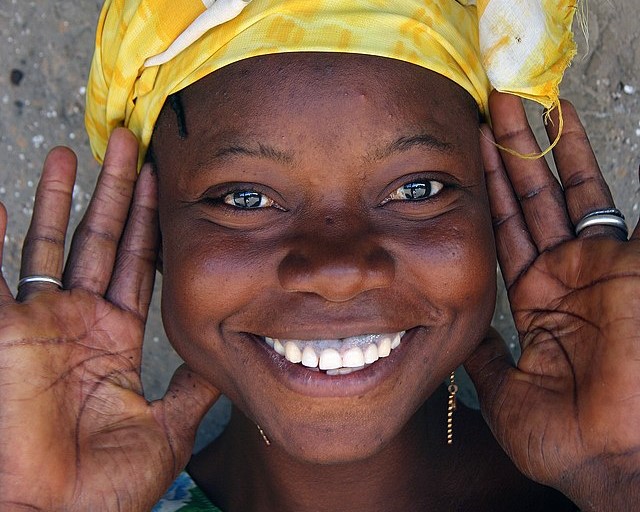
On the narrow Atlantic coastline of West Africa, The Gambia has built a reputation that extends far beyond its borders: an atmosphere of warmth and hospitality that has become as much a part of its identity as the river running through it. For a country small in geography, it offers an experience expansive in character, where human connection is as central as its landscapes and history.
The capital, Banjul, often provides the first glimpse of this spirit. Market stalls overflow with fabrics in bold hues and handwoven baskets, their vendors quick to greet visitors with a smile. In the city’s streets, exchanges with locals can move effortlessly from the price of a crafted souvenir to stories of community traditions, a reminder that conversation itself is part of Gambian culture. Meals of jollof rice, spiced fish, and groundnut stew punctuate these encounters, the cuisine inseparable from the social bonds it creates.
Beyond the urban bustle, villages along the river and in the countryside carry traditions of welcome that define Gambian life. In these rural communities, hospitality is woven into daily rhythms—whether through the sharing of food, the offer of a seat beneath a shaded tree, or the invitation to join a circle of musicians. For many, such gestures embody a cultural code that prizes generosity and kinship, even toward strangers.
The embrace of visitors extends into the natural world. At Abuko Nature Reserve, one of the country’s most frequented conservation sites, rangers often accompany guests through a landscape alive with monkeys, antelope, and more than 270 bird species. Birdwatching has become a cornerstone of Gambian tourism, with the nation’s wetlands and woodlands now regarded as a haven for enthusiasts worldwide. Guides, many of whom grew up near the reserves, bring local knowledge that deepens appreciation for the delicate ecosystems they protect.
Tourism initiatives in recent years have also emphasized participation and sustainability. Community-based projects encourage travelers to engage in cultural workshops, from cooking and drumming to craft-making, while simultaneously providing income for local families. Environmental programs welcome outside support in conservation and education, reinforcing the country’s efforts to balance growth with preservation.
The country’s appeal lies not only in its cultural depth and ecological richness but also in its ability to offer something for every kind of traveler. Long stretches of coastline provide space for leisure, while inland journeys along the River Gambia reveal a slower rhythm of life. The common thread, whether in a fishing village or a coastal lodge, remains the same: a sense of welcome that transforms encounters into lasting impressions.
For The Gambia, hospitality is not merely a courtesy extended to outsiders; it is a defining element of national identity. In a region where history has often been marked by upheaval and change, this ethic of openness endures. Visitors leave with memories not only of landscapes and traditions, but of conversations, meals, and gestures of kindness that linger well beyond the journey.