
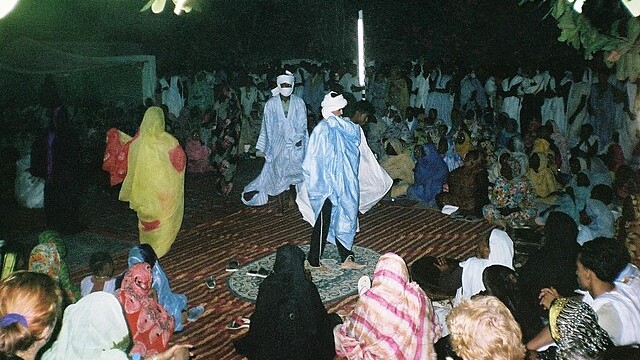
There’s a vibrant tapestry of sounds in Mauritania that reflects the deep-rooted nomadic culture of the region. As you explore this West African nation, you’ll discover that traditional music is not just a form of entertainment; it is a vital expression of identity and heritage. This music carries the stories, emotions, and experiences of the nomadic tribes that have roamed the vast desert landscapes for centuries.
In Mauritania, you’ll find that music is woven into the very fabric of daily life. Instruments such as the tidinit, a stringed instrument similar to the guitar, and the ardin, a harp-like instrument, anchor the melodies you hear. These instruments provide the soundtrack for celebrations, rituals, and everyday gatherings, making the nomadic lifestyle rich with musical tradition. You might even find yourself tapping your feet or swaying to the rhythms as you engage with local musicians, who are eager to share their art with you.
As you probe into the world of traditional music, you’ll notice that songs often recount tales of love, hardship, and connection to the land. The lyrics can be poignant and deeply personal, reflecting the experiences of a community tied to the shifting sands of the Sahara. You’ll see how these songs help pass down knowledge from generation to generation, teaching younger members of the tribe about their heritage while instilling a sense of belonging. Whether sung during social gatherings or family events, the music serves as a reminder of the values and collective memory that shape your cultural identity.
Moreover, the unique styles of music in Mauritania often differ from one region to another, allowing you to experience a rich diversity as you travel across the country. You may encounter the mesmerizing sounds of the Wolof people in the south or the powerful voices of the Moorish communities in the north. Each musical tradition offers you insights into the lifestyles and environments of the people, further diversifying your understanding of Mauritania’s culture and history.
The preservation of traditional music is important, especially as modern influences begin to permeate society. You’ll find that many communities are actively working to keep their musical traditions alive amidst globalization. Initiatives focused on teaching younger generations about traditional instruments and songs demonstrate a recognition of the importance of cultural heritage. As a visitor, you can play a part in this preservation by engaging with local musicians, attending performances, and participating in workshops.
Finally, as you embrace the spirit of Mauritania’s nomadic culture through its traditional music, you’ll likely find that it fosters a sense of unity and connection among the people, helping to bridge divides and strengthen ties within and between communities. In doing so, you not only enrich your own experiences but also contribute to the continuance of a vibrant cultural legacy that has joyously echoed through the generations.