
Most travelers to Namibia find themselves captivated not only by its breathtaking landscapes but also by the deep cultural traditions and rich tribal heritage that define this beautiful nation. As you commence on your journey through Namibia, you’ll have the rare opportunity to engage with various ethnic groups, each with its own history, customs, and practices that contribute to the country’s vibrant culture.
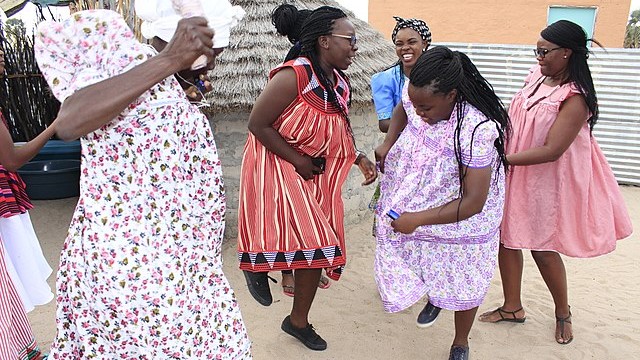
Your adventure begins in the north, where the Ovambo people, the largest ethnic group in Namibia, reside. As you visit their communities, you can witness traditional dances that celebrate life and the changing seasons. These dances often involve colorful attire and rhythmic movements that draw you into the heart of their culture. You might even be invited to participate, giving you a firsthand experience of their hospitality and warmth.
Traveling to the east, you’ll encounter the Himba tribe, known for their striking appearance and semi-nomadic lifestyle. Their unique way of life includes intricate body adornments and the use of otjize, a mixture of butterfat and ochre pigment, to protect their skin from the harsh desert climate. Taking the time to interact with the Himba not only allows you to understand their customs but also enriches your travel experience, as you gain insights into their belief systems and daily routines.
Next, you may head towards the region inhabited by the San people, one of the oldest cultures in the world. Engaging with their traditional storytelling will captivate you as tales of their ancestors and the natural world unfold. Their ancient rock art speaks volumes about their deep connection with nature and spirituality, providing a timeless window into their existence. You could also join a guided bushwalk, where San trackers, with their exceptional knowledge of the land, share their remarkable skills for finding food and water in the wild. Such experiences are not only educational but transformative.
The cultural diversity in Namibia isn’t just limited to its tribes; it also embraces the vibrant traditions of its colonial heritage. In cities like Windhoek, you can explore the local art scene, which is a blend of indigenous and European influences. Here, contemporary Namibian artists infuse their work with themes that reflect the challenges and triumphs of modern-day life, offering you a different lens through which to view the nation’s past.
No visit to Namibia would be complete without indulging in traditional cuisine. As you savor dishes such as biltong (dried, cured meat) or pap (a maize porridge), you’ll have the chance to taste the flavors that form the backbone of Namibian traditions. Attending a communal meal where locals share their food can create lasting memories and foster friendships across cultures.
Your journey through Namibia promises an enriching experience filled with cultural encounters. Whether it’s through dance, art, or food, each interaction invites you to connect on a deeper level with this remarkable land and its people. Embrace every moment as you gain a fuller understanding of Namibia’s vibrant cultural traditions and tribal heritage.