
Traditions play a significant role in shaping the identity of a nation, and as you explore the splendid tapestry that is Uganda, you will find that its historic sites are the threads that weave the story of its past and its cultural practices. Uganda’s heritage is rich, varied, and steeped in tales that speak of its indigenous populations, colonial encounters, and national movements. As you journey through this East African gem, the historic sites you encounter will offer not just a glimpse into yesteryears, but also the essence of Ugandan life today.
One of the key places you should consider visiting is the Kasubi Tombs, located just outside Kampala. This UNESCO World Heritage site is the burial ground for the kings of the Buganda Kingdom, and it is renowned for its unique architectural style and spiritual significance to the Buganda people. The tombs are not only a resting place for royalty but also a living cultural site where traditional ceremonies still take place. As you stand amid this sacred ground, you will sense the deep connection between the current generation and their ancestral heritage—an experience that is bound to leave you with a profound appreciation of Ugandan culture.
The Ngamba Island Chimpanzee Sanctuary in Lake Victoria offers another perspective on tradition. While it focuses on wildlife conservation, it intertwines with the historical relationship between human activity and nature. Here, you can engage in learning about Uganda’s environmental history and the traditional beliefs surrounding wildlife in the area. It’s an opportunity to reflect on how these traditions influence today’s conservation efforts, bringing together cultural heritage and modern ecological awareness.
Moving on, you can’t overlook Fort Portal, nestled near the Rwenzori Mountains. This part of Uganda is characterized by its scenic beauty and rich history. The Batooro Kingdom has its roots in this region, and as you wander through the local markets and engage with the community, you will experience a blend of economic and cultural activities that have thrived for centuries. The traditional crafts, local cuisine, and music you encounter will allow you to feel the heartbeat of the people who have occupied this land long before modern times.
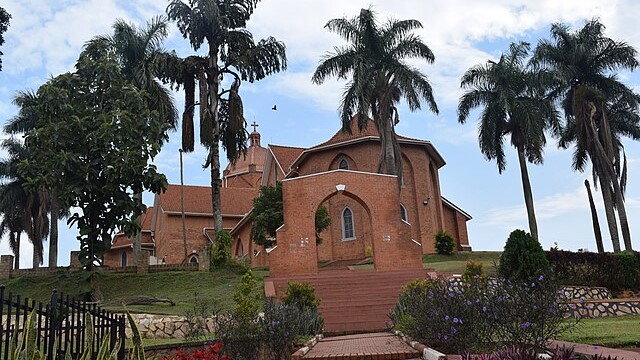
Another historical gem is the Uganda Martyrs Shrine in Namugongo, an important pilgrimage site for many Christians in Uganda and beyond. The shrine commemorates 45 young men who were executed for their faith during the reign of King Mwanga II. This site not only symbolizes religious significance but also stands as a reminder of resilience—the pursuit of faith and freedom that has impacted Uganda’s spiritual landscape deeply. Here, you can reflect on collective identity and the spiritual traditions that continue to unite people across the nation.
To summarize, as you traverse Uganda’s historic sites, you uncover layers of narratives that proudly tell the story of the nation’s rich past and vibrant traditions. Each site encapsulates centuries of resilient culture, community strength, and a profound connection to both land and history. Your exploration will enhance your understanding of what makes Uganda unique, allowing you to appreciate the nuances that shape the lives of its people today.