
By Mariam Salema Aboudou
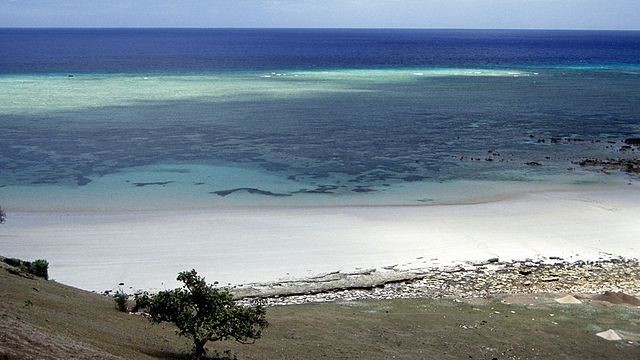
MOHÉLI, COMOROS — Along the sunlit shores of Mohéli, fishermen meticulously shift wooden stakes through shallow reefs, marking the beginning of another day’s stewardship. Here in this island corner of the Comoros archipelago, local guardians—and particularly women—are taking the lead in safeguarding fragile coral ecosystems.
With coral cover fluctuating wildly between 6 % and 60 %, scientists have called the region “young and vulnerable but not yet broken” . The urgency is real: overfishing, coastal erosion, and rising sea temperatures threaten both reef health and coastal livelihoods. But a vibrant wave of community-driven conservation offers fresh hope.
Community Stewardship, Reef Rescue
Supported by the Dahari Marine Program, community marine management zones now stretch across nearly 950 hectares of reef along Anjouan’s southwest coast . These initiatives encourage local associations to protect reefs through temporary octopus-fishery closures; they’re evidence that short-term sacrifice strengthens future returns.
Mohéli’s own marine protected area—established in 2001 and expanded into a national park in 2010—remains the linchpin of reef preservation efforts . Today, park rangers patrol coral gardens alongside dugongs, turtles, and coelacanths, reinforcing ecological resilience and cultural identity.
Monitoring Tide by Tide
Since 2019, CEPF-backed projects have trained fisherfolk in reef monitoring at five Ngazidja sites, enabling them to detect shifts and threats firsthand . Meanwhile, the Nairobi Convention’s Coral Reef Task Force, bolstered by CORDIO and local NGO AIDE, held its 2023 capacity-building workshop in Moroni—empowering national stakeholders .
These growing skills feed directly into national and regional scientific data, informing management strategies that make reefs more climate-resilient.
Aligned with Regional Efforts
The Comoros is part of an emerging Great Blue Wall initiative, which includes discussions around marine debt-for-nature swaps to finance ocean protection across the Western Indian Ocean . This approach signals that the nation’s coral reef conservation efforts aren’t isolated—they’re part of a wider regional commitment.
FAO-led efforts under the REEFFISH project help 30,000 small-scale fishers in Comoros, Madagascar, and neighboring islands shift to reef-friendly techniques and improve means of monitoring and enforcement .
Faces of Reef Conservation
Meet Hajara, a fisherwoman from Mohéli whose group spearheads reef monitoring and organizes eco-education programs for schoolchildren.
“Our reefs feed our families,” she says. “So we protect them. We teach our neighbors to do the same.”
In Anjouan’s coastal villages, men and women fish sustainably, track catches, and champion reef-friendly gear, swapping destructive methods for wooden harpoons—then celebrating strong octopus yields when reserves reopen.
Navigating New Challenges
Despite these strides, obstacles remain: coral bleaching and habitat degradation hang heavily; local cover has declined over years, according to a 2014 study linking human pressures like coastal construction to reef damage . And climate models warn of a “high collapse risk” across Western Indian Ocean reefs within 50 years.
Still, scientists at Mohéli report encouraging signs: offshore corals withstand moderate climate stress, confirming the effectiveness of local conservation .
A Blueprint for the Blue Future
What sets Comoros apart is its rooted blend of local ownership, scientific monitoring, and regional cooperation. From tiny village reserves to island-spanning data systems, reef protection is evolving into a multi-generational mission.
“We are more than fishermen,” Mariam, a women’s leader in Anjouan, proudly asserts. “We are reef doctors now.”
As coral reefs echo with polyp life and island voices rise in tandem, Comoros is emerging as a beacon for community-led marine conservation—offering a vivid reminder that local action really can reshape global challenges.
Sources:
- A. Dahari Marine Program – community reef zones daharicomores.org+1cepf.net+1
- CEPF – reef monitoring on Ngazidja blueexplorermag.com+3cepf.net+3cepf.net+3
- Mohéli National Park profile – coral conservation reddit.com+15en.wikipedia.org+15pubmed.ncbi.nlm.nih.gov+15
- CORDIO/Nairobi Convention reef task force – capacity building reuters.com+5nairobiconvention.org+5fao.org+5
- FAO REEFFISH project – reef-friendly fishing fao.org
- Human activity impact study – reef degradation
- IUCN Great Blue Wall and debt-for-nature context cepf.net+2reuters.com+2daharicomores.org+2