
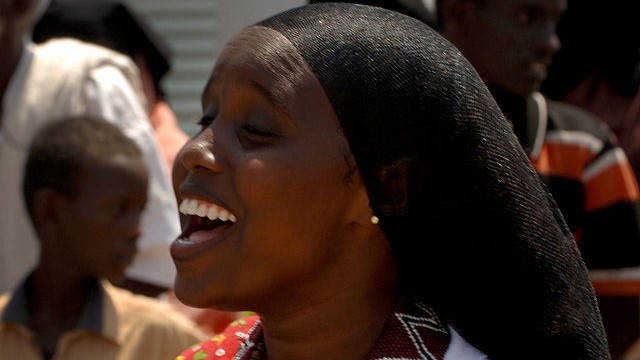
In Djibouti, the calendar is punctuated by celebrations that transform streets, plazas, and coastal towns into stages of music, dance, and communal gathering. These festivals, vibrant in color and rhythm, reveal the depth and diversity of a nation shaped by centuries of African, Arab, and French influence. Each event serves as a window into the country’s social fabric, offering insight into its traditions, culinary artistry, and collective identity.
The Hirgigo festival, held each July, is a striking homage to Somali maritime culture. Along the shores and in open courtyards, performers in bright, flowing garments move to the pulse of drums and stringed instruments. Traditional dances—some tracing patterns of seafaring life—unfold alongside visual arts displays, creating a sensory tableau that bridges past and present. The festival’s vibrancy reflects the enduring legacy of Somali communities along the Red Sea coast.
National pride finds expression in Djibouti Day, observed every June 27 to commemorate independence from France in 1977. Parades feature military bands, ceremonial flag-raising, and an array of performances that blend contemporary choreography with folk traditions. Culinary offerings—ranging from lahoh, a spongy pancake often paired with honey or savory accompaniments, to spiced stews and pastries—highlight the convergence of local, Arab, and French flavors, turning the streets into an open-air banquet of heritage.
Religious observances also animate public life. During Ramadan, nightly Iftar gatherings bring communities together, filling homes and squares with the scent of spiced meats, lentils, and sweet pastries. These meals foster connection, while decorative lights and lanterns lend the evenings a luminous, festive air. The subsequent celebrations of Eid al-Fitr and Eid al-Adha further underscore the interplay of faith, family, and generosity. Prayers, feasts, and acts of charity punctuate daily routines, reinforcing bonds across households and neighborhoods.
Across Djibouti’s festivals, a shared spirit emerges: resilience, cohesion, and reverence for tradition. Music and dance are not mere entertainment; they are expressions of historical memory, woven into rituals that span generations. Culinary traditions serve both sustenance and story, embedding centuries of cultural exchange into every bite. Together, these elements offer a lens through which the country’s heritage is both preserved and celebrated.
In a nation where modernity advances alongside age-old customs, festivals provide a stage for continuity. They affirm identity, promote unity, and sustain cultural expression in a way that resonates well beyond the events themselves. For Djibouti, the rhythm of celebration is inseparable from the rhythm of life.
Sources:
- Ministry of Culture and Communication, Republic of Djibouti. Cultural Festivals and National Heritage Report, 2021.
- UNESCO. “Intangible Cultural Heritage in Djibouti: Festivals and Community Life.” UNESCO Reports, 2022.
- Abdi, Fatima. “Celebrating Identity: Festivals in the Horn of Africa.” African Cultural Review, vol. 11, no. 2, 2020, pp. 44–61.