
In Ethiopia, the preparation of coffee is elevated beyond the daily routine of brewing. It is ritualized, layered with meaning, and central to the country’s social and cultural life. The Ethiopian coffee ceremony, observed in homes and communities across the nation, is both performance and communion—a practice that binds families, neighbors, and guests through a shared act of hospitality.
The ritual begins with green coffee beans, roasted slowly over an open flame. As the pan warms, a thick, fragrant smoke curls into the air, carrying with it the anticipation of what is to come. Incense, often frankincense or myrrh, is burned alongside the roasting beans, enveloping the room in a heady blend of scents that blur the boundary between the sacred and the social.
Once roasted to a deep, rich hue, the beans are crushed with a mortar and pestle, the rhythmic pounding underscoring the collective nature of the gathering. The ground coffee is then transferred into a jebena, the bulbous clay vessel that serves as both symbol and tool of the ceremony. Water is added, and as it heats, conversation swells. Storytelling, gossip, or debates over local affairs accompany the waiting, turning time itself into a shared offering.
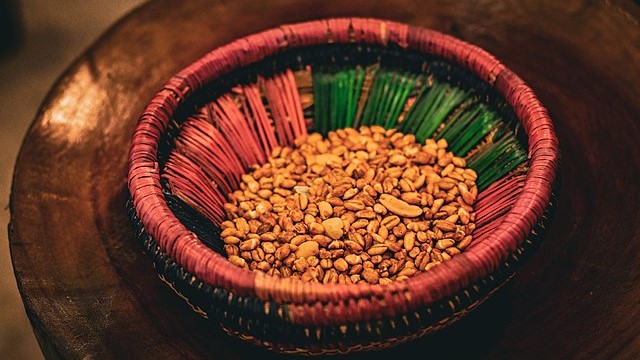
When the coffee is ready, it is poured with practiced precision into small handleless cups, often in three successive rounds. The first, known as abol, is strong and direct. The second, tona, mellower but equally rich, marks the continuation of dialogue and connection. The third, baraka, carries with it a sense of blessing, a conclusion that is at once humble and profound. Popcorn, roasted grains, or traditional pastries are often served alongside, extending the communal texture of the occasion.
The ceremony is not confined to Ethiopia’s borders. Within diaspora communities, it persists as a vital thread of continuity, a way to sustain connection with heritage while also offering a point of entry for others into the rhythms of Ethiopian life. More than an aesthetic ritual, it is a vessel of identity, hospitality, and social cohesion.
In a global landscape where coffee has become a quick commodity, Ethiopia’s ceremonial tradition reminds observers of the beverage’s origins and the depth of meaning it continues to hold. It is at once everyday and extraordinary—a practice that turns the act of drinking coffee into an affirmation of community, memory, and belonging.
Sources:
- Pankhurst, Richard. The Ethiopian Coffee Ceremony. Addis Ababa University Press, 1997.
- UNESCO Intangible Cultural Heritage. Ethiopian Coffee Culture.
- Central Statistical Agency of Ethiopia. Household and Cultural Practices Survey.
- National Museum of Ethiopia. Cultural Traditions and Coffee Heritage.