
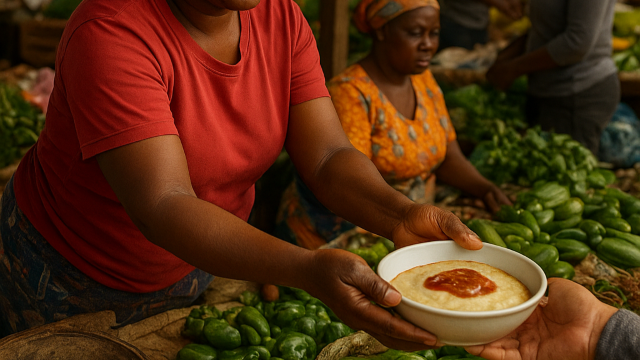
In the heart of Eswatini, the bustle of local markets provides more than commerce. It is here, amid the hum of conversation and the fragrance of simmering stews, that the essence of Swazi cuisine is revealed. Stalls brim with color—brightly stacked vegetables, bundles of herbs, and sacks of maize meal, each bearing the mark of a food culture deeply tied to land and tradition.
At these markets, food is not simply sold; it is shared, explained, and celebrated. Vendors lean across wooden counters to recommend dishes or demonstrate the subtle blending of spices. Their offerings extend beyond the practical need to eat, telling stories of ancestry, trade, and the blending of influences that shape the country’s palate.
At the center of this culinary landscape lies sishwala, a thick maize porridge that anchors many Swazi meals. Creamy yet sturdy, it absorbs the flavors of its companions, whether a vegetable relish or a stew of meat. Often it is paired with chakalaka, a fiery, vegetable-based condiment whose spice brightens the porridge’s mild base. Together, they capture the balance of comfort and complexity that characterizes local cooking.
Market wanderers also encounter dishes that bear witness to Eswatini’s layered history. Bunny chow—a hollowed loaf of bread filled with curry—arrived from South Africa but has taken root here, a reflection of Indian culinary influence woven into everyday eating. Its warmth, both literal and cultural, reflects the adaptability of Swazi kitchens.
Meat holds particular significance in gatherings and ceremonies. Inkhomo, beef that is either stewed slowly or grilled over open flames, remains central to communal dining. When marinated with local spices and served alongside maize dishes, it becomes not just a meal but a marker of occasion and belonging.
Sweets, too, have their place. Amatfola, a sweetened maize dough, offers a simple but satisfying finish. Sold in small portions wrapped in paper or cloth, it reflects the ingenuity of turning staple ingredients into celebratory fare.
Food here is inseparable from community. Markets serve as a stage for daily life, where recipes are exchanged alongside greetings, and meals are a conduit for connection. To walk through these spaces is to witness not only what Swazis eat but how they value hospitality, continuity, and the act of gathering around food.
Eswatini’s markets remind visitors and residents alike that cuisine is a narrative. Each dish carries layers of history, from maize fields in the highveld to the spice routes that once reached Southern Africa’s shores. What endures is the pride of a people who see food not merely as sustenance but as heritage, woven into the rhythms of daily life
Sources:
- Government of Eswatini, Ministry of Tourism and Environmental Affairs. Eswatini Tourism: Culture and Heritage. Mbabane, 2023.
- McCann, James. Maize and Grace: Africa’s Encounter with a New World Crop, 1500–2000. Harvard University Press, 2005.
- Food and Agriculture Organization of the United Nations. Traditional Food Systems in Africa. FAO Regional Office for Africa, Accra, 2021.