
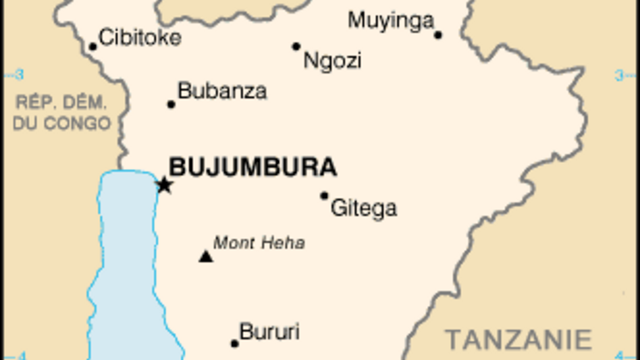
In the highland nation of Burundi, economic ambition exists alongside deep-seated structural challenges. Landlocked and densely populated, the East African country relies heavily on agriculture, yet faces persistent hurdles that have constrained consistent growth.
Agriculture remains the backbone of Burundi’s economy, employing the vast majority of its citizens. Coffee and tea dominate as cash crops, while subsistence farming sustains rural households. But climate change, limited irrigation, and low investment in modern techniques have undermined productivity. The heavy dependence on agriculture has slowed diversification into other sectors, such as manufacturing and services, leaving the economy vulnerable to environmental and market shocks.
By most measures, poverty remains widespread. According to the World Bank, more than 70 percent of Burundians live on less than $1.90 a day. Access to healthcare and education is limited, and gross domestic product per capita ranks among the lowest globally. These realities not only constrain household incomes but also limit the nation’s overall capacity for economic expansion.
Political instability has further complicated prospects for foreign direct investment. Decades of intermittent unrest have fostered uncertainty, discouraging international capital from flowing into key industries. Yet, reforms aimed at strengthening governance and ensuring transparency could alter investor perceptions, paving the way for greater engagement from abroad.
Despite the challenges, opportunities for growth are tangible. Burundi possesses fertile land, untapped mineral resources, and a young, increasingly urbanized population. Expanding the cultivation of high-value crops, improving storage and transportation systems, and targeting export markets could strengthen agricultural earnings. Investment in mining—managed with environmental safeguards and equitable revenue-sharing—offers another potential avenue for revenue generation.
Small and medium-sized enterprises (SMEs) are emerging as important engines of local job creation. Government-backed microfinance initiatives and entrepreneurship programs have begun to broaden access to credit, allowing new ventures to take root. Expanding these financial networks, particularly in rural areas, could stimulate economic activity while reducing dependence on subsistence farming.
Infrastructure development remains a critical prerequisite for sustained growth. Upgraded road networks, improved telecommunications, and reliable energy supply would facilitate trade and attract regional partnerships. Renewable energy projects, particularly in hydropower and solar, could both meet domestic demand and reduce reliance on costly fuel imports.
Education and workforce training stand as central pillars for long-term development. Investment in vocational programs and technical education would help build a skilled labor force prepared for diverse industries, from agribusiness to emerging technology sectors.
Burundi’s economic trajectory will depend on the interplay between reform, investment, and resilience. Addressing structural weaknesses while leveraging natural and human resources could move the nation toward a more stable and inclusive growth path—one that offers its citizens not only survival but the possibility of shared prosperity.
Sources:
- World Bank. Burundi Overview. World Bank Country Data, 2023.
- United Nations Development Programme. Human Development Report: Burundi. UNDP, 2022.
- African Development Bank. Country Strategy Paper: Burundi 2023–2027. AfDB, 2023.