
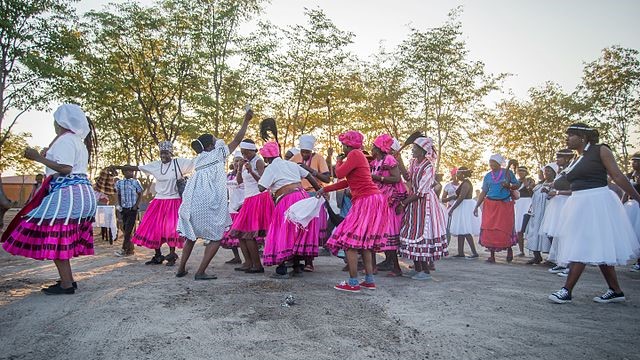
Identity is an intricate tapestry woven from the threads of culture, tradition, and history. In Namibia, this identity comes alive through its traditional dress and dance, which you can explore to gain a deeper understanding of the nation’s rich heritage. Each ethnic group in Namibia, such as the Himba, Herero, and San, showcases its unique customs and styles, celebrating their history and environment in ways that are both vibrant and meaningful.
When you look at traditional dress in Namibia, you will notice that each element tells a story. The Himba women, for example, adorn themselves with ochre and butterfat to create a striking red hue that not only protects their skin from the arid climate but also serves as a symbol of beauty and cultural identity. You may find yourself captivated by the intricate hairstyles and jewelry they wear, which reflect their social status and life stages. Similarly, the Herero women often don voluminous skirts and elaborate, Victorian-style dresses with petticoats, symbolizing their connection to their ancestors and the history of their tribe. As you engage with these styles, consider how they embody the values and history of Namibian people.
Dance is another powerful expression of identity in Namibia. You might witness traditional dances performed at various celebrations and ceremonies, each accompanied by intricate rhythms and beautiful movements. For instance, the Ovambo people perform the Amupanda dance, where the synchronization and energy of the dancers create a visually stunning experience that celebrates community and togetherness. As you observe these performances, you will recognize that dance serves not only as entertainment but also as a way to pass down stories and traditions from one generation to the next.
The significance of traditional dress and dance extends beyond mere aesthetics. Engaging with these cultural expressions allows you to grasp how Namibians navigate modernity while honoring their past. You might come to appreciate that these traditions foster a sense of belonging and identity among individuals and communities. In the age of globalization, the preservation of such practices helps to sustain Namibia’s unique identity in a rapidly changing world.
If you find yourself in Namibia, you should take the opportunity to participate in cultural festivals, where the vibrancy of traditional dress and dance is on full display. Festivals such as the annual Windhoek Carnival or the Olufuko Festival in Ohangwena offer venues for locals and visitors to experience the authenticity and vibrancy of Namibian culture. Taking part in these activities will give you a deeper connection to the people and their identities, allowing you to appreciate the significance behind every movement and garment.
Ultimately, traditional dress and dance serve as a mirror reflecting Namibia’s rich identity. As you immerse yourself in these cultural practices, you will gain insights into the values, history, and the resilience of the Namibian people. Embracing these experiences will not only enrich your journey through Namibia but also expand your understanding of the diverse expressions of cultural identity around the world.