
With an array of vibrant ingredients and rich cultural influences, Sudan’s local cuisine invites you to commence on a culinary journey steeped in history and tradition. As you research into Sudanese food, you’ll discover a unique blend of flavors and textures that reflect the country’s diverse regions and ethnic groups. This cuisine is not just about taste; it tells stories of age-old recipes that have been passed down through generations.
One of the cornerstones of Sudanese cuisine is its use of staple ingredients like sorghum, millet, and wheat. These grains play a significant role in daily meals and are often transformed into traditional dishes like ‘foul’—a hearty fava bean stew seasoned with garlic, lemon, and cumin. When you visit local markets, you’ll be mesmerized by the vibrant colors of spices and fresh ingredients that contribute to the bold flavors of Sudanese dishes.
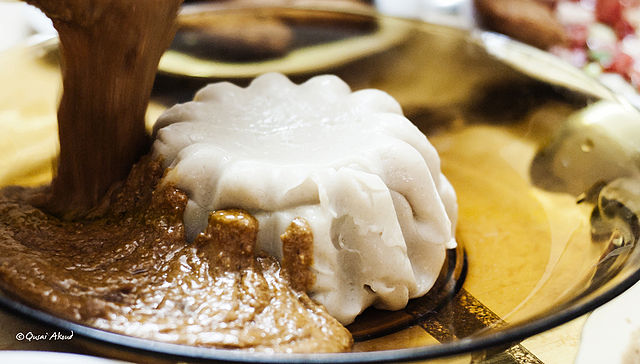
Don’t overlook the heart of any Sudanese meal—the ‘asida.’ This soft, dough-like bread serves as a versatile companion to various stews and salads. Made primarily from wheat flour and water, asida can be paired with savory sauces that often include vegetables, meat, and aromatic spices. People in Sudan take great pride in the preparation of asida, typically using a communal cooking method that fosters a sense of togetherness.
As you explore Sudan’s culinary landscape, you will encounter dishes such as ‘mullah’—a rich, flavorful stew that can feature a variety of proteins including lamb, chicken, or fish. The secret to its depth lies in the blend of spices such as coriander, cumin, and black pepper. The skill involved in creating a perfect mullah is a reflection of the love and care that goes into Sudanese cooking, making it a dish you won’t want to miss.
Mealtime in Sudan is not just about satisfying hunger; it’s an opportunity for connection and celebration. When you share a traditional meal, you’ll likely participate in the joy of communal eating, where everyone dips into the same dish, using pieces of asida to scoop up the flavorful mullah. This practice emphasizes the relationships woven into Sudanese culture and cuisine.
Sweets also hold a special place in Sudanese gastronomy. Delve into the world of ‘karkadeh,’ a hibiscus tea that’s often served cold and sweetened. You may also find ‘basbousa,’ a semolina cake soaked in syrup and adorned with almonds. These delightful treats offer a satisfying end to your culinary exploration.
By trying your hand at cooking Sudanese dishes or enjoying meals prepared by local chefs, you immerse yourself in a culture as rich as the flavors of its food. So whether you’re exploring the bustling streets of Khartoum or cooking at home, you’ll find that Sudan’s local cuisine is a treasure trove of bold flavors and ancient recipes, waiting for you to discover and enjoy.