
In the markets of Eswatini, colors seem to spill across every stall, from strings of beads catching the sunlight to baskets stacked in intricate patterns. Here, artisans transform the natural resources of their surroundings into objects that carry both practical use and symbolic meaning. Handmade jewelry, pottery, textiles, and woven goods form not only the backbone of a thriving local craft economy but also a living record of Swazi cultural identity.
Beadwork remains among the most recognizable traditions. Necklaces, bracelets, and earrings fashioned with glass, stone, and shells are imbued with motifs drawn from nature and daily life. Each piece reflects an artisan’s interpretation of heritage while serving as a wearable story, linking the present to the rhythms of older generations.
Equally distinctive are the clay vessels known locally as sibhacosi. Produced by hand and often decorated with etched or painted designs, these pots are more than utilitarian kitchenware. Their patterns carry cultural meaning, sometimes tied to family histories or communal beliefs, making them tangible symbols of continuity.
Basketry and weaving also play a central role in Eswatini’s artisan traditions. The grasses harvested from riverbanks and hillsides are dyed, coiled, and braided into designs both bold and subtle. Such baskets, whether used for storage or display, embody an artistry born from patience and precision.
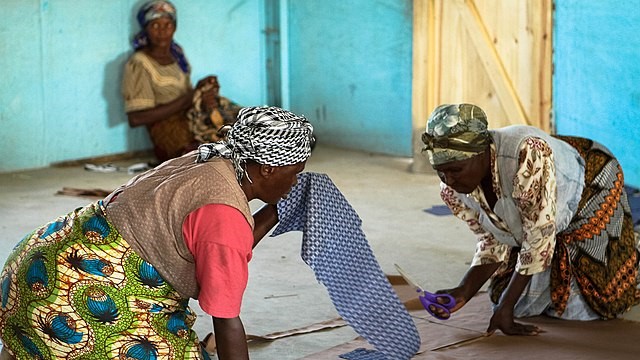
While traditional forms remain strong, many artisans adapt their skills to contemporary demands. Textile workers incorporate Swazi motifs into scarves, handbags, and clothing that appeal to modern tastes while maintaining cultural authenticity. This blending of heritage and innovation has helped local crafts reach international markets, where they serve as ambassadors for Eswatini’s artistic spirit.
The sale of handmade goods provides a vital income stream for many households, especially in rural areas. Unlike mass-produced imports, each item carries with it the signature of its maker and contributes directly to sustaining communities. Marketplaces, roadside stalls, and small galleries not only offer crafts for purchase but also create spaces for cultural exchange, where artisans share their stories with visitors.
Eswatini’s artisans preserve and reinterpret heritage through their work, ensuring that traditional knowledge continues to evolve rather than fade. In each basket, pot, or bead lies evidence of resilience, creativity, and cultural pride—a testament to how craft can both sustain livelihoods and safeguard identity in a rapidly changing world.
Sources:
- Eswatini Tourism Authority. Arts and Crafts in Eswatini. Mbabane, 2024.
- Kuper, Hilda. An African Aristocracy: Rank among the Swazi. Oxford University Press, 1947.
- United Nations Educational, Scientific and Cultural Organization (UNESCO). Intangible Cultural Heritage in Eswatini. Paris, 2022.
- International Trade Centre. Creative Industries and Crafts in Southern Africa: Market Report. Geneva, 2021.