
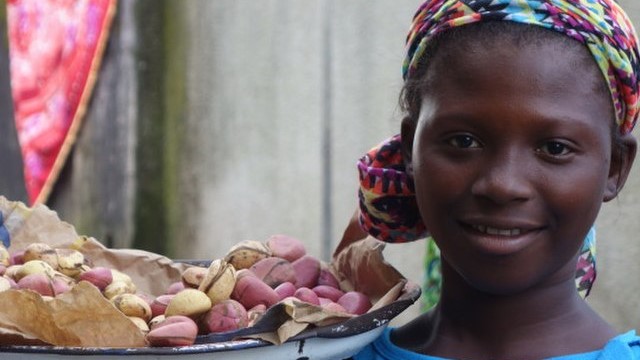
In Guinea, warmth is woven into daily life as seamlessly as music or food. The West African nation, often recognized for its cascading waterfalls and rolling highlands, is equally defined by the generosity of its people. Encounters in markets, villages, or coastal communities often leave visitors with impressions not only of striking landscapes but also of an enduring culture of welcome.
Conakry, the bustling capital, offers the first glimpse of this spirit. Amid its traffic-clogged streets and lively markets, greetings are exchanged freely, often with laughter or a handshake. Hospitality in Guinea is less a ritual than a reflex, cutting across language barriers and binding strangers through shared meals or conversation. Beyond the city, in villages nestled in the forested Fouta Djallon region, the sense of belonging deepens. Guests are received as friends, offered food or tea, and invited into homes with little ceremony yet unmistakable warmth.
The country’s cultural diversity amplifies this atmosphere. More than two dozen ethnic groups live within Guinea’s borders, each maintaining distinctive traditions while sharing a common ethos of generosity. In some communities, visitors may encounter traditional dances performed in open squares or be offered fufu—a starchy staple served with rich sauces. Elsewhere, the rhythms of drums and the swirl of brightly patterned garments mark celebrations that fuse communal identity with hospitality.
Landscape and tradition intersect most vividly in the Fouta Djallon, where dramatic escarpments and waterfalls attract hikers. Here, local guides not only lead the way through steep trails but also explain histories of migration, farming, and folklore tied to the land. Along the coast, the Los Islands provide another perspective, where fishing communities sustain themselves through practices passed down for generations. Conversations at the shoreline, often accompanied by freshly caught fish grilled over open fires, offer a window into both resilience and conviviality.
Climate shapes this rhythm of welcome as well. During the dry season, when roads are passable and outdoor gatherings flourish, social life expands to include music festivals, weddings, and extended family visits. Respect for tradition, however, underpins interactions year-round. A simple gesture—asking permission before taking a photograph, greeting elders first, or attempting a few words in Susu, Pular, or Malinké—reinforces mutual respect and often deepens connections.
Hospitality in Guinea carries meaning beyond pleasantries. It is a cultural expression rooted in values of solidarity, community, and openness. For visitors, it becomes the defining memory of their journey, echoing long after landscapes fade from view. In a nation where history, tradition, and natural beauty intertwine, the open arms of its people remain the most enduring impression.
Selected Sources
- International Organization of La Francophonie. Cultural Practices in West Africa: Guinea Case Studies. OIF Report, 2018.
- Diallo, Tierno Monénembo. Guinea: Traditions and Modernity in a Changing Nation. Présence Africaine, 2015.
- United Nations World Tourism Organization (UNWTO). Sustainable Tourism and Cultural Exchange in Guinea. UNWTO Regional Report, 2020.
- Brooks, George E. Landlords and Strangers: Ecology, Society, and Trade in Western Africa, 1000–1630. Westview Press, 1993.