
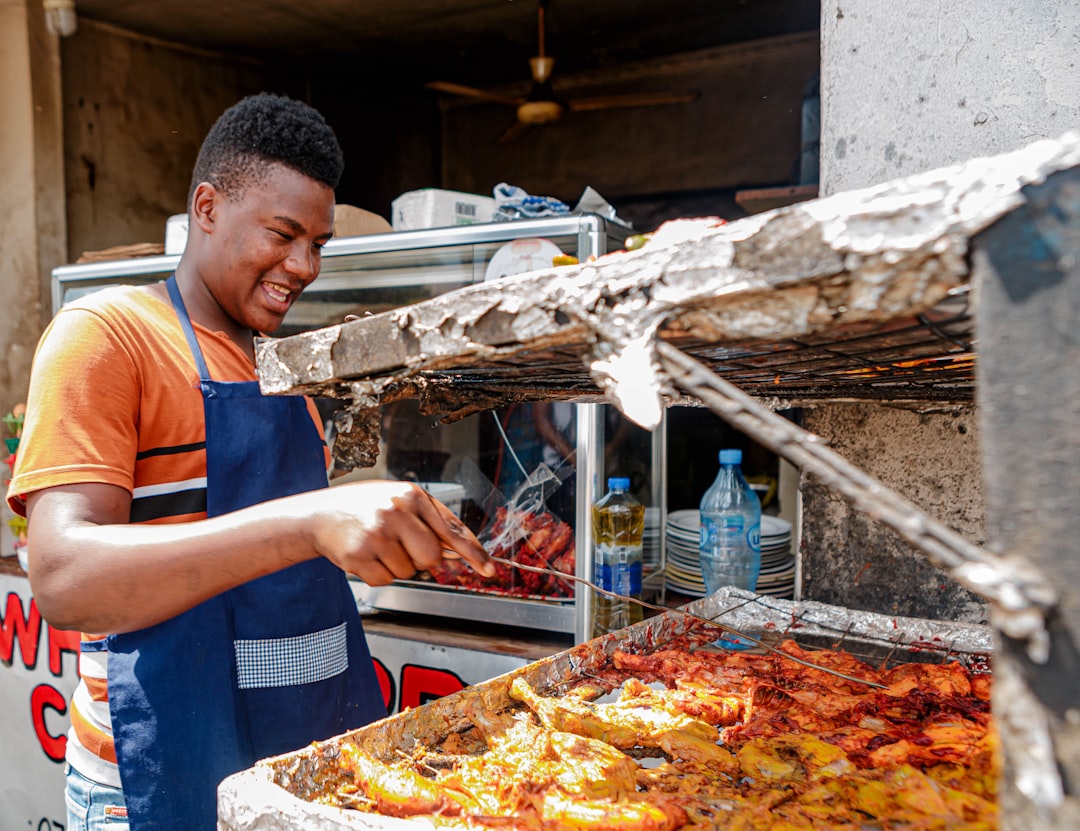
Traditional African grilling techniques are reshaping culinary practices across the continent and beyond, with ancient methods gaining recognition among professional chefs and home cooks. The art of preparing perfectly grilled chicken using indigenous spices and time-honored techniques has evolved into a cornerstone of contemporary African cuisine, bridging cultural heritage with modern cooking innovations.
Indigenous Spice Blends Drive Flavor Innovation
Berbere from Ethiopia, harissa variations across North Africa, and West African suya spice blends have become the foundation for exceptional grilled chicken preparations. These complex spice mixtures, featuring combinations of chili peppers, aromatic herbs, and distinctive regional ingredients, create layers of flavor that distinguish African grilling from other global traditions.
Culinary experts emphasize how these spice combinations work synergistically with chicken, where the proteins absorb the bold flavors while maintaining tenderness. The practice involves marinating chicken pieces for extended periods, allowing the spices to penetrate deeply into the meat before grilling over carefully managed fires.
Regional variations continue to emerge as communities share traditional recipes while adapting to available ingredients. Urban centers see fusion approaches where traditional spices meet contemporary grilling equipment, creating new expressions of classic flavors.
Fire Management Techniques Preserve Authenticity
The mastery of fire control remains central to authentic African chicken grilling, with practitioners maintaining specific temperature zones using hardwood charcoal or traditional biomass. This approach creates the distinctive smoky flavors while ensuring even cooking throughout the chicken pieces.
Grilling methods emphasize patience and precise timing, with experienced cooks adjusting heat levels by controlling airflow and fuel placement. The technique produces chicken with crispy, flavorful skin while keeping the interior moist and tender.
Many communities preserve these methods through informal apprenticeships where knowledge passes between generations. Urban cooking schools and culinary programs increasingly incorporate these traditional techniques into formal curricula, ensuring their continuation and refinement.
Nutritional Benefits Support Growing Popularity
The grilling process eliminates excess fats while preserving the nutritional value of chicken, making it an attractive protein option for health-conscious consumers. African spice combinations add antioxidants and anti-inflammatory compounds without requiring additional oils or heavy sauces.
Many traditional marinades incorporate ingredients like ginger, turmeric, and various peppers that contribute beneficial compounds while enhancing flavor. This natural approach to seasoning aligns with growing preferences for clean, minimally processed foods.
The cooking method itself requires no added fats, relying instead on the chicken’s natural moisture and the flavor enhancement from spice marinades. This approach creates satisfying meals that support diverse dietary preferences and nutritional goals.
Cultural Exchange Expands Global Influence
African grilling techniques have gained international recognition as diaspora communities and culinary enthusiasts share these methods worldwide. Restaurants specializing in African cuisine feature grilled chicken as signature dishes, introducing global audiences to these distinctive preparation styles.
Food festivals and cultural events showcase the diversity of African grilling traditions, with demonstrations highlighting the skill required to achieve optimal results. These presentations often include explanations of spice selection, marination techniques, and fire management principles.
The growing interest has sparked ingredient availability improvements in international markets, making traditional African spices more accessible to cooks seeking authentic flavors. This accessibility encourages experimentation and adaptation while respecting traditional foundations.
Outstanding questions
How will modern cooking technologies integrate with traditional African grilling methods while preserving authentic flavors and cultural significance?
What role will sustainable sourcing of traditional spices play in maintaining the authenticity of African grilled chicken preparations as global demand increases?
How might climate considerations influence the evolution of traditional fire-based grilling techniques while maintaining their cultural importance?