
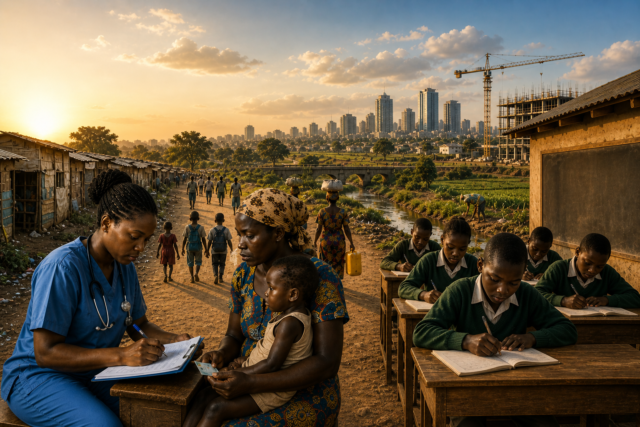
African governments increasingly prioritize human development as a cornerstone of economic transformation, yet the continent continues to grapple with persistent gaps in education, healthcare, and social protection systems. The interplay between demographic pressures, resource constraints, and institutional capacity shapes the trajectory of social policy across diverse national contexts.
Education Systems Under Strain
Sub-Saharan Africa confronts the world’s largest education access deficit, with millions of children remaining out of school despite constitutional guarantees of free primary education in most countries. The challenge extends beyond enrollment figures to encompass quality concerns, teacher shortages, and inadequate infrastructure that limit learning outcomes across the region.
Higher education expansion represents both an opportunity and a burden for African states. Universities multiply rapidly to meet growing demand from expanding middle classes, yet graduate unemployment rates remain elevated in many countries. This mismatch between educational output and economic absorption capacity raises questions about curriculum relevance and skills alignment with labor market needs.
Technical and vocational training emerges as a policy priority across the continent, with governments recognizing the need for practical skills development. However, these programs often suffer from outdated equipment, limited private sector engagement, and social stigma that favors academic over practical learning pathways.
Healthcare Access Remains Uneven
Universal health coverage initiatives gain momentum across African countries, with several nations implementing ambitious insurance schemes and service delivery reforms. Progress varies significantly by region and income level, with urban populations typically enjoying better access to quality healthcare than rural communities.
Maternal and child health indicators show improvement across most African countries, reflecting sustained investment in primary healthcare systems and international development support. However, non-communicable diseases increasingly burden health systems originally designed to address infectious disease outbreaks and basic care needs.
Healthcare financing presents ongoing challenges as governments balance competing budget priorities while attempting to reduce out-of-pocket expenses that push families into poverty. Public-private partnerships in health service delivery expand across the continent, though regulatory frameworks often lag behind implementation needs.
Social Protection Systems Evolve
Cash transfer programs proliferate across Africa as governments seek to address poverty and inequality through direct income support. These initiatives range from small-scale pilot projects to national programs reaching millions of beneficiaries, though sustainability depends heavily on fiscal capacity and administrative systems.
Pension systems remain fragmented across most African countries, with formal sector workers accessing statutory schemes while the majority of the population relies on informal family and community support networks. Efforts to extend social security coverage face significant challenges related to the large informal economy and limited tax collection capacity.
Child protection and disability inclusion gain attention in social policy frameworks, reflecting evolving rights-based approaches to human development. Implementation of protective measures varies considerably across countries, with resource constraints and cultural factors influencing program effectiveness.
Urban-Rural Development Gaps
Rapid urbanization transforms social service delivery patterns across Africa, concentrating both opportunities and challenges in growing cities. Urban areas typically offer better access to education and healthcare, yet informal settlements often lack basic services and infrastructure that support human development.
Rural development programs attempt to address persistent disparities in access to quality services, though geographic challenges and population density complicate cost-effective service delivery. Agricultural communities face particular challenges in accessing secondary education and specialized healthcare services.
Digital technology emerges as a potential equalizer in service delivery, with mobile health platforms and distance learning initiatives expanding reach to remote areas. However, connectivity gaps and device affordability limit the transformative potential of technological solutions in many contexts.
Outstanding questions
Can African governments sustain the fiscal burden of expanding social services while maintaining macroeconomic stability and debt sustainability?
How will demographic transitions and climate change reshape human development priorities and resource allocation across the continent?
What role will regional integration and cross-border cooperation play in addressing shared human development challenges and optimizing service delivery systems?
Sources