
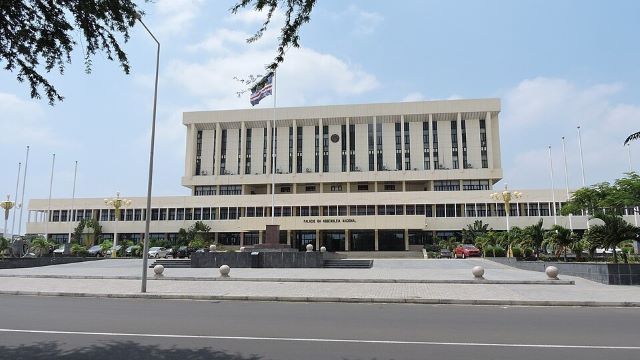
Cabo Verde maintains one of Africa’s most stable democratic systems, yet the archipelago’s unique geography and economic constraints create persistent governance challenges that test institutional resilience. The island nation’s political landscape reflects broader tensions between maintaining democratic principles and addressing the practical demands of managing a dispersed, resource-limited state.
Democratic Institutions and Constitutional Framework
Cabo Verde operates under a presidential system anchored in a constitution that has undergone several revisions since the country’s transition to multiparty democracy in 1991. The political structure divides power between the presidency, a unicameral National Assembly, and an independent judiciary. Elections for both the presidency and National Assembly occur at regular intervals, with multiple political parties competing for representation.
The African Union and regional bodies recognize Cabo Verde as maintaining democratic standards that exceed continental averages. International election observers have monitored multiple electoral cycles, with assessments generally confirming processes that allow for competitive campaigns and voter choice. However, the concentration of power in the presidency remains a structural feature that shapes how political competition unfolds across the archipelago.
Island Geography and Institutional Fragmentation
The dispersal of Cabo Verde’s population across ten islands creates administrative and logistical challenges distinct from continental African nations. Local governance structures must function across maritime distances, creating distinct administrative challenges for service delivery, representation, and policy implementation. Island-based communities develop particularized political interests, which generates pressures on national politicians to direct resources toward specific constituencies.
This geographic reality influences how political parties build coalitions and how governments allocate development resources. The need to maintain connectivity across islands affects budgeting priorities and can create perceptions of unequal development between islands. These structural dynamics shape electoral competition and how political parties position themselves relative to questions of infrastructure investment and island-specific development priorities.
Economic Constraints and Political Sustainability
Cabo Verde’s limited natural resources and geographic isolation position the nation’s political stability within a framework of economic vulnerability. The country depends significantly on tourism, remittances, and international development assistance. Economic fluctuations directly affect government revenue and the state’s capacity to deliver services and maintain institutional functions.
Political parties compete partly through promises regarding economic management and development priorities. The capacity of successive governments to deliver tangible improvements in employment, infrastructure, and social services affects public confidence in democratic institutions. Economic downturns or stalled development projects can create political pressures that test the resilience of formal institutional structures and electoral processes.
Regional Integration and External Influences
Cabo Verde participates in the Economic Community of West African States (ECOWAS) and maintains diplomatic relationships that shape domestic political considerations. Regional security dynamics, maritime governance questions, and continental political trends influence how domestic political actors frame national interests. The country’s position as an island nation with maritime jurisdiction creates governance questions distinct from continental neighbors.
International partnerships and foreign policy decisions intersect with domestic political competition. Governments must balance relationships with external partners while addressing domestic constituencies. The visibility of Cabo Verde’s democratic institutions within African and international forums creates incentives to maintain institutional credibility, though this does not eliminate internal political tensions regarding resource allocation and institutional capacity.
Outstanding questions
How will Cabo Verde’s democratic institutions adapt if economic pressures intensify, particularly regarding the capacity of the state to fund social services and administrative functions across dispersed island communities?
What mechanisms might strengthen democratic participation and representation in island-based communities where geographic distance creates barriers to direct civic engagement with national political processes?
How will Cabo Verde navigate potential tensions between maintaining democratic openness and addressing security or governance challenges that may emerge from its geographic position and maritime jurisdiction?
Sources