
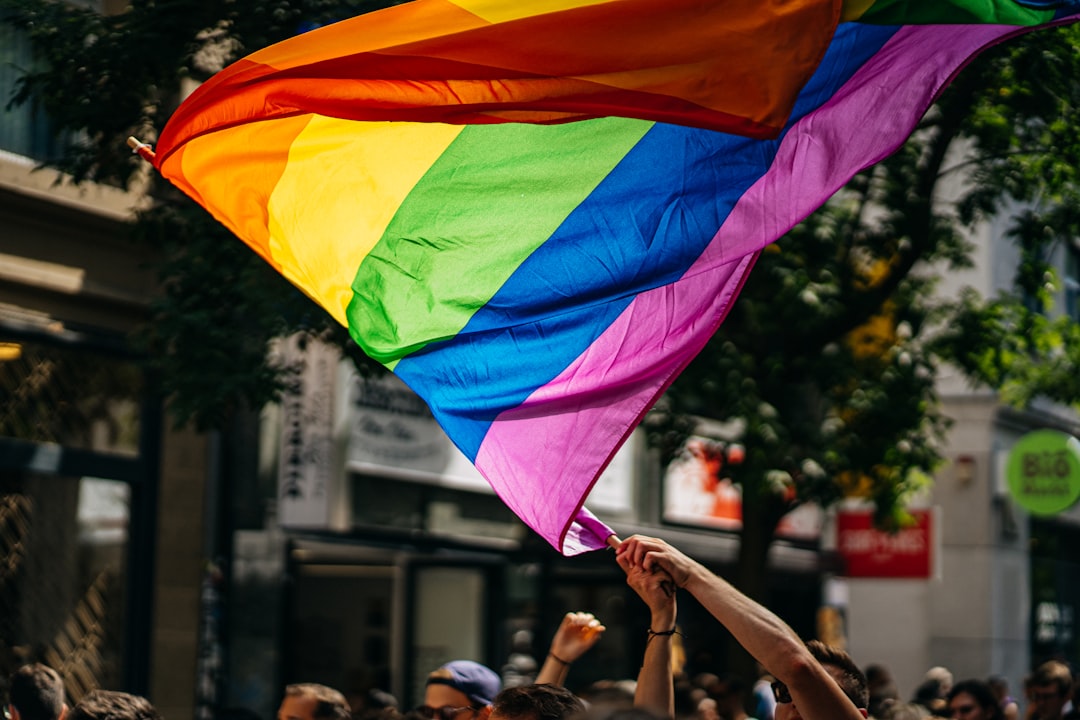
African civil rights movements continue reshaping the continent’s approach to sexual orientation and gender identity legislation, with advocacy groups developing sophisticated strategies to engage conservative lawmakers. The evolving dialogue between progressive activists and traditional political structures demonstrates how social change unfolds across diverse African societies, creating new pathways for inclusive governance while respecting cultural complexities.
Strategic Engagement Transforms Political Conversations
LGBTQ+ advocacy organizations across the continent have refined their approaches to political engagement, moving beyond confrontational tactics toward collaborative dialogue with conservative legislators. These groups now employ cultural competency frameworks that acknowledge traditional values while advocating for fundamental human rights protections. The shift represents a maturation of civil rights movements that understand the importance of building bridges rather than deepening divides.
Legal reform campaigns increasingly focus on incremental changes that establish precedents for broader protections. Advocates work within existing constitutional frameworks, emphasizing provisions that already guarantee dignity and equality for all citizens. This strategic approach has enabled productive conversations with lawmakers who might otherwise resist comprehensive LGBTQ+ legislation.
Community-based education initiatives have become central to advocacy efforts, with organizations developing culturally sensitive materials that address misconceptions while highlighting shared values. These programs often bring together religious leaders, traditional authorities, and civil society representatives to foster understanding across ideological differences.
Legislative Bodies Grapple with Evolving Social Dynamics
Conservative parliaments across Africa face mounting pressure to balance traditional constituencies with emerging social movements demanding equal rights protections. Many legislators express willingness to engage in substantive discussions about discrimination and violence prevention, even when broader LGBTQ+ rights remain contentious. This openness creates opportunities for targeted reforms that protect vulnerable populations without triggering wholesale political opposition.
Parliamentary committees have begun conducting public hearings that include diverse perspectives on sexual orientation and gender identity issues. These forums provide structured environments where evidence-based arguments can influence policy development. Legal experts increasingly participate in these discussions, helping lawmakers understand constitutional obligations and international legal standards.
Some legislative bodies have established working groups specifically tasked with examining hate crime legislation and anti-discrimination measures. These committees often operate with reduced political pressure, allowing members to explore policy options that might be difficult to advance through traditional legislative processes.
Cultural Dialogue Shapes Policy Development
African societies are witnessing sophisticated discussions about the relationship between cultural authenticity and human rights protections. Scholars, activists, and community leaders engage in nuanced conversations that challenge simplistic narratives about African values versus Western influence. These dialogues create intellectual space for policies that honor cultural heritage while expanding protections for marginalized communities.
Traditional leadership structures increasingly participate in conversations about inclusion and social harmony. Some traditional authorities have emerged as unexpected advocates for protecting vulnerable community members from violence and discrimination. Their involvement lends cultural legitimacy to human rights arguments that might otherwise face resistance.
Religious communities also contribute to evolving conversations about dignity and compassion, with progressive theological voices offering alternative interpretations that emphasize love and acceptance. These faith-based perspectives provide important counternarratives to exclusively conservative religious positions on LGBTQ+ issues.
International Frameworks Support Domestic Progress
Regional organizations and continental bodies provide important support structures for countries developing inclusive policies. The African Union’s human rights mechanisms offer guidance on balancing cultural sensitivity with fundamental rights protections. These frameworks help domestic policymakers navigate complex political terrain while maintaining legitimacy within regional institutions.
Judicial systems across the continent increasingly reference international human rights standards when adjudicating cases involving sexual orientation and gender identity. Court decisions often emphasize constitutional principles of dignity and equality, creating legal precedents that influence future policy development. These judicial interventions provide important protections while political processes evolve.
Professional associations, including bar associations and medical organizations, contribute expertise that informs policy discussions. Their technical knowledge helps legislators understand the practical implications of different policy approaches, while their professional credibility lends weight to arguments for inclusive legislation.
Outstanding Questions
How will emerging African democracies balance traditional values with expanding human rights frameworks as political institutions continue evolving?
What role will youth movements play in shaping future legislative approaches to LGBTQ+ rights as demographic changes transform electoral dynamics?
Can regional integration processes create momentum for harmonized human rights protections that transcend individual national political constraints?