
By Oumar Abdelkerim Hassan
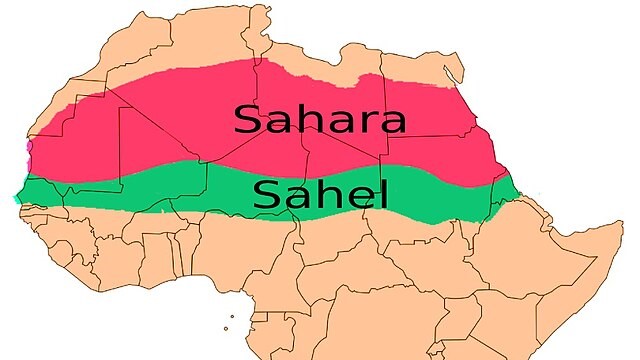
ABÉCHÉ, CHAD — In the heart of the Sahel, where dry winds once swept across vast stretches of barren land, green shoots now pierce the sand, signaling quiet but profound change. Chad, often overlooked in global environmental conversations, is emerging as one of the most committed players in Africa’s Great Green Wall initiative — a continent-wide effort to halt desertification and restore life to the land.
What began as a bold vision to plant an 8,000-kilometer stretch of trees from Senegal to Djibouti is slowly transforming landscapes and lives. And here in Chad, that transformation is more than just visible — it’s tangible.
“We’re not just planting trees. We’re planting hope, food, and a future,” says Halime Mahamat, a project coordinator in the Ouaddaï region, where reforestation efforts have brought together local farmers, women’s cooperatives, and youth groups. “The land was tired, but now, it’s beginning to breathe again.”
Seeds of Change in Arid Soil
Chad’s central and northern regions have long faced the devastating effects of desertification: loss of arable land, migration, and food insecurity. But through community-led reforestation, sustainable land management, and targeted education programs, the country has begun to turn back the tide.
Over 1.5 million seedlings have been planted in Chad as part of the Great Green Wall effort, with species chosen not only for their ability to survive harsh climates but also for their benefits to local communities. Acacia trees, for example, enrich the soil and provide gum Arabic—a valuable export. Fruit-bearing trees like mango and moringa contribute to nutrition and income.
“It’s a revolution in slow motion,” says Dr. Nadjita Issa, an agronomist based in N’Djamena. “People are beginning to see the link between environmental health and economic opportunity.”
Community at the Core
Unlike top-down environmental campaigns of the past, Chad’s approach is striking for its grassroots engagement. Local leaders, traditional chiefs, and women’s associations play a vital role in both planning and implementation.
In the village of Amzoer, women lead a reforestation cooperative that has transformed once-barren land into a productive forest garden. “We plant together. We water together. We share the harvest,” says co-op leader Kaltouma Abakar. “This is not just about trees—it’s about dignity.”
School programs have also incorporated environmental education, encouraging young Chadians to become stewards of the land from an early age. Many schools have their own micro-gardens and tree nurseries, cared for by students.
A Green Vision With Global Impact
Chad’s commitment has not gone unnoticed. International partners including the African Union, UNCCD, and France’s Great Green Wall Accelerator have praised the country for exceeding expectations despite limited resources.
“Chad is showing that environmental restoration is not a luxury—it’s a necessity,” said Emmanuel Diallo, a regional advisor with the African Union. “And when done right, it’s a pathway to peace, food security, and resilience.”
As climate threats intensify across the Sahel, Chad’s efforts offer a model of what can be achieved through community-driven action and unwavering perseverance. The Great Green Wall may still be growing, but in Chad, its roots are already deep.
And as the rains return more regularly and livestock graze again where dunes once dominated, many Chadians are beginning to believe that a greener, more sustainable future is not only possible — it’s already underway.