
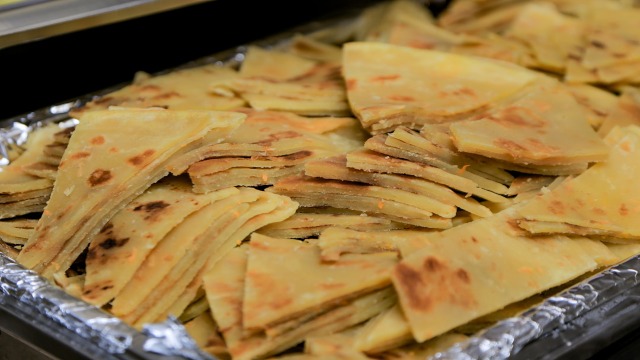
The sizzle of eggs hitting hot oil mingles with the rhythmic slap of chapati dough against wooden surfaces as dawn breaks over Kampala’s bustling streets. In every corner, from Owino Market to Makerere University gates, the intoxicating aroma of onions, tomatoes, and spices draws hungry Ugandans to roadside stalls where skilled vendors craft one of East Africa’s most beloved street foods with practiced precision.
Watch as nimble fingers crack fresh eggs into well-seasoned pans, scrambling them with vibrant vegetables before wrapping the golden mixture in warm, pillowy chapati. This is Rolex – not the timepiece, but Uganda’s answer to fast food that has captured hearts and satisfied appetites for decades, transforming simple ingredients into portable perfection.
The beauty of Rolex lies in its democratic appeal: affordable enough for students stretching their lunch money, yet satisfying enough to fuel laborers through long workdays. Each bite delivers layers of flavor – the richness of eggs, the sweetness of caramelized onions, the fresh pop of tomatoes, all embraced by soft, slightly chewy chapati that soaks up every delicious drop.
About This Dish
Born from the ingenious combination of “rolled eggs,” Rolex emerged in Uganda’s urban centers during the 1990s as street food culture flourished. This portable feast represents the fusion of Indian culinary influence – evident in the chapati – with local East African flavors and cooking techniques. What began as a simple egg and chapati combination has evolved into a canvas for creativity, with vendors adding their signature touches through spice blends and vegetable combinations. Today, Rolex stands as Uganda’s unofficial national street food, embodying the country’s spirit of resourcefulness and community.
Ingredients
- 2 fresh chapati (homemade or store-bought)
- 4 large eggs
- 1 medium onion (150g), finely diced
- 2 medium tomatoes (200g), diced
- 2 tbsp vegetable oil
- 1 tsp curry powder
- 1/2 tsp ground coriander
- 1/2 tsp salt
- 1/4 tsp black pepper
- 2 tbsp fresh coriander leaves, chopped
- 1 small green bell pepper (100g), diced
- 2 spring onions, finely sliced
- 1 small carrot (80g), finely diced
- 1/2 tsp garlic powder
Preparation
- Heat 1 tablespoon of oil in a large non-stick pan or well-seasoned skillet over medium heat. Add diced onions and cook for 3-4 minutes until they begin to soften and turn translucent.
- Add the diced bell pepper and carrot to the pan. Cook for 2-3 minutes, stirring occasionally, until the vegetables start to soften but retain some crunch.
- Stir in the diced tomatoes, curry powder, ground coriander, garlic powder, salt, and black pepper. Cook for 2-3 minutes until tomatoes release their juices and create a fragrant base.
- Crack the eggs directly into a bowl and whisk them lightly with a fork. Pour the beaten eggs into the vegetable mixture, immediately stirring gently to create soft scrambled eggs.
- Continue cooking while stirring gently for 2-3 minutes until eggs are just set but still creamy. Remove from heat and fold in fresh coriander leaves and spring onions.
- Warm the chapati briefly in a dry pan or microwave for 20-30 seconds until pliable and heated through.
- Place one chapati on a clean surface and spoon half the egg mixture along one edge, leaving borders on three sides. Roll the chapati tightly around the filling, tucking in the sides as you roll to create a neat package.
- Repeat with the second chapati and remaining filling. Serve immediately while warm.
Tips & Variations
For the perfect Rolex texture, avoid overcooking the eggs – they should remain slightly creamy as they’ll continue cooking briefly from residual heat. Vegetable timing is crucial: add harder vegetables like carrots first, followed by softer ones like tomatoes. If chapati tears during rolling, briefly warm it again to restore pliability.
Popular variations include adding diced avocado for creaminess, thin slices of cucumber for crunch, or a touch of hot sauce for heat-seekers. Some vendors incorporate small pieces of fried Irish potatoes or even leftover beans for extra substance. For a protein boost, add small pieces of cooked chicken or beef to the egg mixture. Vegetarians often enjoy versions with extra vegetables like mushrooms, spinach, or diced green chilies.
The key to authentic flavor lies in the spice blend – adjust curry powder and coriander to taste, and don’t skip the fresh herbs which provide essential brightness that balances the rich eggs.
Serving Suggestions
Rolex is traditionally served hot, wrapped in newspaper or brown paper for authentic street food presentation, though parchment paper works beautifully for home serving. Cut diagonally in half to reveal the colorful filling layers, and serve on a simple plate with a wedge of lime or lemon.
This portable feast pairs wonderfully with Ugandan chai – sweet, spiced tea that complements the savory flavors perfectly. For beverages, consider fresh passion fruit juice, ginger tea, or even cold Ugandan beer for evening enjoyment. Rolex makes an ideal breakfast, lunch, or light dinner, and is perfect for picnics, quick meals, or introducing friends to East African flavors. Serve alongside fresh fruit or a simple salad for a complete meal that celebrates Uganda’s vibrant street food culture.
Outstanding Questions
What traditional Ugandan beverages pair best with Rolex besides chai?
How can home cooks make chapati from scratch for more authentic Rolex?
What regional variations of Rolex exist across different Ugandan cities?
Sources