
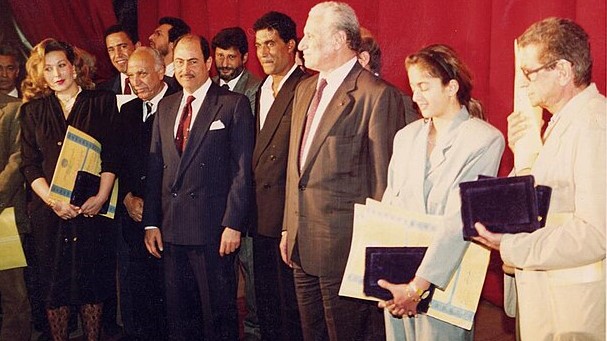
In Egypt, the calendar is punctuated by festivals that weave together the country’s ancient heritage and its enduring sense of community. From modern cultural gatherings in the capital to age-old traditions in rural towns, these events reveal a society where history, ritual, and creativity meet in public celebration.
One of the most prominent is the Cairo International Festival for Contemporary and Experimental Theater, which each year transforms stages across the city into showcases of global performance. Egyptian and international troupes present works that range from reimagined classics to avant-garde productions, often tackling questions of identity, politics, and tradition. The festival, now a fixture of Cairo’s cultural life, draws audiences from across the region and beyond, placing Egypt at the center of an evolving theatrical conversation.
Far to the south, the Abu Simbel Sun Festival offers a spectacle rooted in antiquity. Twice annually, on dates associated with the birth and coronation of Ramses II, sunlight penetrates the inner sanctuary of the temple to illuminate statues of the pharaoh and the gods. Crowds gather before dawn, waiting as the desert sun aligns with the ancient stonework in a ritual that has endured for more than three millennia. The event serves as both a reminder of Egypt’s architectural genius and a communal reaffirmation of its historic identity.
In Luxor, another kind of storytelling takes place at the Luxor African Film Festival. The event brings together filmmakers from across Africa and the diaspora, offering screenings, panel discussions, and workshops. Beyond celebrating cinema, the festival creates a forum where issues of culture, politics, and identity are debated, situating Luxor not only as a city of monuments but also as a hub for contemporary artistic exchange.
Closer to daily life are the Moulid festivals, honoring saints and religious figures across the country. These gatherings transform neighborhoods with music, parades, Sufi chanting, and street food. Families converge in celebration, and the atmosphere—marked by color, movement, and devotion—captures a distinctly communal energy. Though modest in scale compared to state-sponsored festivals, Moulids remain vital to the social fabric, blending spirituality with festivity.
Agricultural celebrations add yet another layer. Seasonal harvest festivals honor farmers and their produce, often featuring communal meals, markets, and performances. These events underscore the continuing importance of the land in Egyptian life, while also highlighting themes of sustainability and local resilience in a rapidly changing society.
Together, these festivals illustrate how Egypt’s past and present remain in dialogue. Whether through the illumination of ancient temples, the rhythms of street parades, or the discussions sparked in a modern theater, they reinforce bonds of identity while inviting innovation. In their diversity, the celebrations speak to a culture both deeply rooted and continually evolving, where history is not only remembered but actively lived.
Sources:
- El Shimi, Rowan. “Cairo International Festival for Contemporary & Experimental Theatre.” Ahram Online, September 2022.
- Reid, Donald Malcolm. Whose Pharaohs? Archaeology, Museums, and Egyptian National Identity from Napoleon to World War I. University of California Press, 2002.
- Armbrust, Walter. “Mass Culture and Modernism in Egypt.” American Ethnologist, vol. 24, no. 4, 1997, pp. 907–933.
- van Nieuwkerk, Karin. A Trade Like Any Other: Female Singers and Dancers in Egypt. University of Texas Press, 1995.