
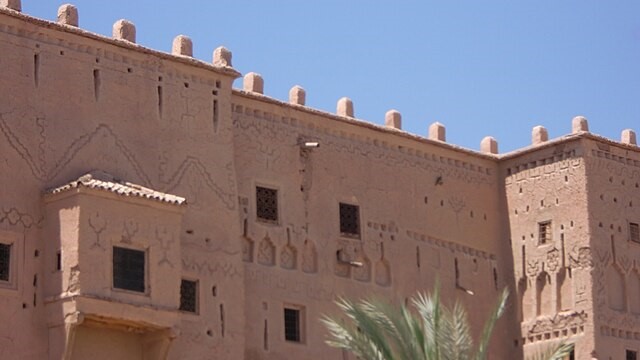
With a wealth of architectural wonders, Morocco stands as a true testament to cultural fusion. As you journey through this vibrant North African kingdom, you will notice how the blend of Arab, Berber, and French influences has shaped its unique landscapes and structures. The architecture speaks volumes about the diverse historical narratives that have unfolded in this enchanting land.
Your adventure might begin in the capital city of Rabat, where you can explore the stunning Hassan Tower and the Mausoleum of Mohammed V. The Hassan Tower, intended to be the world’s largest minaret, showcases exquisite Moorish architecture that dates back to the 12th century. While gazing at the intricate patterns and details, you’ll appreciate the meticulous craftsmanship that reflects the Arab influence. The adjacent mausoleum, adorned with majestic white marble and stunning tile work, further emphasizes the importance of Islamic architectural principles in Moroccan culture.
As you make your way to Fes, one of the country’s oldest cities, the medina offers you an immersive experience of traditional Moroccan life. Here, you can stroll through narrow alleyways and encounter striking examples of intricate tile work, known as zellij, that adorn fountains, walls, and mosques. The iconic Bou Inania Madrasa is a must-visit; its elaborate carved wood and stucco embellishments will surely fascinate you. This educational mosque seamlessly integrates Arab and Berber artistry, offering you a glimpse into the region’s scholarly and religious dedication.
Venture towards Marrakech, where the vibrant Djemaa el-Fna square awaits. You’ll be greeted by the awe-inspiring Koutoubia Mosque, a landmark of the city defined by its impressive minaret that towers over the skyline. This mosque is a remarkable representation of the Almohad style, showcasing the Arab influence on Moroccan architecture. While in Marrakech, don’t miss the Saadian Tombs, which exhibit the opulent splendor of the Saadian dynasty, further emphasizing the seamless blend of architectural styles throughout Morocco.
As you explore the coastal city of Essaouira, you’ll notice a distinct French influence. The fortified medina, a UNESCO World Heritage site, features charming blue and white buildings painted in the European style. The city’s coastal ramparts provide a beautiful panoramic view of the Atlantic Ocean, illustrating how the fusion of cultures has enhanced both the aesthetic and functional aspects of Moroccan architecture. Here, you can immerse yourself in the vibrant art scene that flourishes under this architectural umbrella.
Your exploration doesn’t stop at cities; the Atlas Mountains beckon with traditional Berber kasbahs (fortified villages) that stand resilient against time. Visiting Ait Ben Haddou, a UNESCO World Heritage site, you’ll be captivated by the earthen clay structures that depict the ingenuity of Berber design. As you wander through these ancient mud-brick buildings, the subtle yet bold contrasts between the cultural influences become vividly apparent.
In Morocco, the architectural wonders serve not only as stunning visual spectacles but as palpable representations of a rich cultural tapestry. Each building you encounter tells a story that connects you to centuries of history, illustrating how the interplay of Arab, Berber, and French influences create a beautiful narrative of communal coexistence and artistic expression. So, as you explore, take a moment to appreciate the stunning architecture around you—it’s a journey through time that you won’t want to miss.