
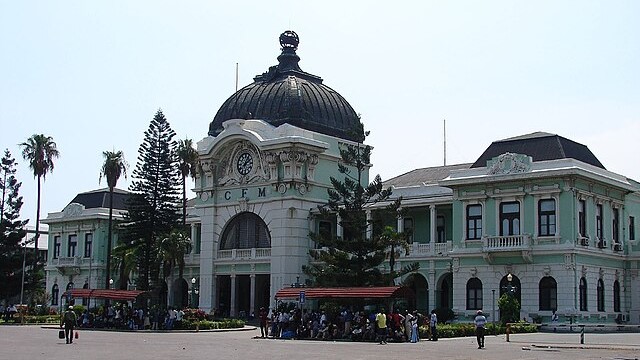
Over the course of history, Mozambique has been influenced by various cultures, each leaving its imprint on the country’s architectural landscape. As you begin on a journey to discover the colonial towns of Mozambique, you will be captivated by the unique blend of architectural styles that tell the story of the nation’s past. From charming coastal villages to bustling inland towns, each location offers you a glimpse into a richly woven tapestry of history and culture.
One such remarkable town is Maputo, the capital city, where Portuguese colonial architecture stands magnificently alongside contemporary designs. As you stroll through the streets, you’ll notice the elegant buildings adorned with intricate ironwork and vibrant tiles, reminiscent of a bygone era. Landmarks like the stunning Casa de Ferro and the Municipal Market are must-see attractions that showcase the beauty of colonial craftsmanship. While exploring, you can also take a moment to cherish the atmosphere of the bustling local markets, where the vibrant colors and aromas provide a perfect contrast to the history surrounding you.
Continuing your exploration, the coastal town of Inhambane offers a perfect blend of history and natural beauty. Here, you can marvel at the beautiful old church, Igreja de Nossa Senhora da Conceição, which dates back to the 18th century. Its architectural details and serene ambiance invite you to step inside and reflect. Furthermore, the charming colonial houses painted in pastel colors make for a picturesque backdrop against the Indian Ocean. As you meander through Inhambane, the rich history of the town evokes a sense of serenity and nostalgia, connecting you with the past.
Your journey wouldn’t be complete without a visit to the town of Beira. Known for its distinct architecture, Beira showcases buildings with strong geometric shapes, designed by Portuguese architects in the early 20th century. The Beira Railway Station is particularly noteworthy; its iconic yellow facade and elegantly arched windows speak volumes about the town’s significance as a transport hub during the colonial era. As you gaze upon these structures, you’ll begin to understand the town’s function as a crossroads of commerce and culture, making it a focal point in Mozambique’s history.
Finally, do not miss out on exploring the town of Vila de Moçambique, a UNESCO World Heritage site. This town is home to many well-preserved colonial buildings, giving you a chance to step back in time. The narrow streets lined with whitewashed houses feature remnants of fortifications and churches from the 16th century, making it a living museum. Walking through its historical center, you can truly appreciate the architectural diversity that reflects the confluence of cultures that have shaped Mozambique.
As you investigate into the architectural beauty of Mozambique’s colonial towns, you will not only marvel at the magnificence of the structures but also connect with the stories and histories they represent. It’s an extraordinary adventure, offering you a profound insight into the nation’s past and a deeper appreciation for its vibrant culture.