
On the Atlantic coast of Central Africa, Gabon shelters a vast sweep of wild terrain where elephants roam the shoreline and gorillas move quietly through dense rainforests. With 13 national parks covering more than 10 percent of the country’s territory, this nation of just over two million people has committed itself to one of the most ambitious conservation programs on the continent.
Loango National Park, often called the “land of surf and safari,” is among the most striking. Few places in the world offer the chance to watch elephants and buffalo graze on open beaches as waves crash just yards away. The park’s landscapes shift dramatically—from mangrove swamps to savannah grasslands and thick coastal forest—each home to its own delicate network of species.
Inland, the forests of Ivindo National Park reveal a more secretive side of Gabon. Here lies Kongou Falls, a thundering cascade considered one of Central Africa’s most powerful. The surrounding rainforest shelters endangered western lowland gorillas, forest elephants, and a chorus of birds that echo across the canopy. Treks led by local guides often weave conservation lessons into the journey, highlighting the fragile balance that keeps these ecosystems intact.
Further south, Lopé National Park presents a meeting point of savannah and forest, where archaeological traces of early human settlement mingle with one of Africa’s highest densities of primates. Researchers have long studied chimpanzees and mandrills here, while visitors navigate trails that climb toward Mount Iboundji for sweeping views of the Gabonese landscape.
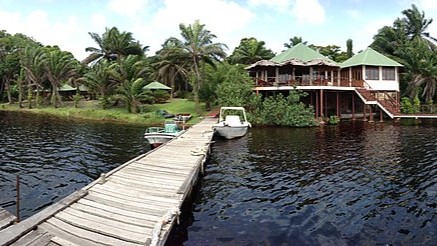
Waterways provide their own perspective on the country’s wild character. Rivers cut through thick jungle, their banks home to crocodiles and monitor lizards. Pirogues and kayaks slide quietly past kingfishers and bee-eaters, while offshore encounters with dolphins and, on rare occasions, manatees remind travelers that Gabon’s ecosystems extend well beyond its forests.
Gabon’s national park system, established in 2002, reflects a deliberate effort to protect biodiversity while offering a framework for sustainable tourism. Revenue from visitors supports conservation projects and provides livelihoods for communities living on the edges of protected land. Still, the work is precarious: poaching, habitat pressure, and climate shifts remain persistent threats.
What sets Gabon apart is not only the density of its wildlife but the intimacy of the encounters it allows. In a region often overshadowed by more developed safari destinations, the country has positioned itself as a sanctuary for both species and solitude, a place where wilderness remains largely unbroken.
Sources
- Lee White, “Gabon’s National Parks: The Creation of a Conservation Model,” Smithsonian Institution Scholarly Press, 2007.
- National Geographic. “Gabon: Last Eden.” Accessed 2025.
- World Wide Fund for Nature (WWF). “Conservation in Central Africa: Gabon’s Protected Areas.” Accessed 2025.
- United Nations Development Programme. “Sustainable Tourism and Biodiversity in Gabon.” Accessed 2025.