
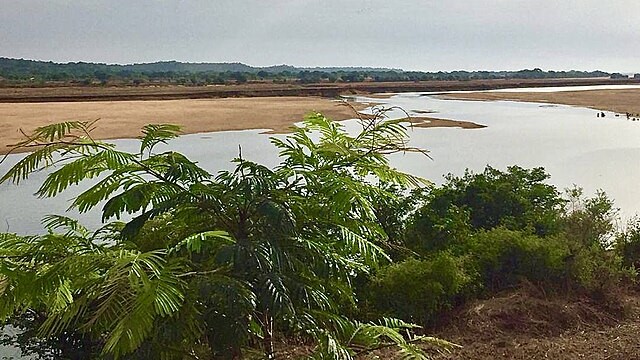
On the high plateaus of Fouta Djallon, water tumbles from cliffs into green valleys where villages cling to the edges of terraced hillsides. Along the Atlantic, quiet stretches of sand give way to mangroves alive with birdsong. Guinea, a country often overlooked by mainstream tourism, holds landscapes as diverse as they are fragile. Increasingly, efforts are being made to showcase these natural treasures through eco-tourism, a form of travel designed to protect the environment while strengthening cultural traditions.
The concept has gained traction as local communities, conservationists, and tour operators search for balance in a nation rich with biodiversity yet vulnerable to ecological strain. Eco-lodges and community-run accommodations have begun to appear in rural areas, often built with sustainable materials and powered by renewable energy. These initiatives aim to minimize environmental impact while offering travelers an immersion in local life.
Wildlife remains one of the strongest draws. Upper Niger National Park, a sprawling reserve of savanna and gallery forest, is home to chimpanzees, hippos, and rare bird species. In Badiar National Park, which borders Senegal’s Niokolo-Koba reserve, antelope roam beneath acacia trees while conservation programs work to stabilize threatened populations. Guided treks led by trained naturalists not only introduce visitors to these ecosystems but also emphasize the precariousness of their survival.
The human dimension of eco-tourism is equally significant. Villages near protected areas often welcome visitors with demonstrations of traditional crafts, storytelling, or shared meals. In some regions, artisans open their workshops to those interested in pottery, weaving, or wood carving, practices passed down through generations. Cooking classes led by local families provide another avenue for exchange, turning food into both nourishment and cultural conversation. These encounters offer communities economic benefits that help counterbalance the pressures of modern development.
Sustainability efforts extend beyond individual experiences. National initiatives encourage responsible tourism through environmental education programs and collaborations between government agencies, NGOs, and grassroots groups. Some tour operators reinvest part of their profits into conservation or community projects, aiming to ensure that tourism contributes to long-term well-being rather than short-term gain.
Transportation, often a challenge in West Africa, also figures into the eco-tourism equation. Walking tours, cycling excursions, and the use of shared vehicles are promoted as ways to reduce emissions while slowing the pace of travel. For those willing to embrace a less hurried approach, this mode of exploration often reveals landscapes and cultural details that conventional tourism bypasses.
Eco-tourism in Guinea is still in its early stages, but its potential is considerable. It reflects a wider global shift toward mindful travel—an acknowledgment that landscapes and cultures are finite, deserving of protection. In Guinea, where rivers carve deep gorges and centuries-old traditions still guide daily life, this balance between preservation and participation may hold the key to the future of tourism.
Selected Sources
- UNESCO World Heritage Centre. “Mount Nimba Strict Nature Reserve.” whc.unesco.org.
- International Union for Conservation of Nature (IUCN). Protected Areas in Guinea. IUCN Reports, 2019.
- Cissé, Mamadou. Biodiversity and Conservation in the Nimba Mountains of Guinea. African Conservation Centre, 2008.
- Republic of Guinea Ministry of Tourism. Strategic Plan for Sustainable Tourism Development. Government of Guinea, 2020.