
In the markets of Djibouti City, the scent of cardamom, coriander, and ginger lingers in the air, carried by the sea breeze from the nearby Gulf of Tadjoura. Stalls brim with spices and fresh seafood, hinting at the culinary crossroads that define this small but culturally layered nation on the Horn of Africa. Here, the cuisine mirrors the country’s history: Arab trade routes, French colonial ties, and the traditions of Somali and Afar communities converge on the plate, producing a cuisine at once familiar and distinct.
At the center of many meals lies rice, lentils, and meat, prepared in ways that speak to both heritage and geography. Among the most cherished dishes is Hambo, a seasoned rice often paired with chicken or lamb, its saffron hues and fragrant spices lending a sense of celebration even to an ordinary evening. Light yet rich in flavor, it is a dish that illustrates Djibouti’s ability to elevate staples through careful seasoning and meticulous preparation.
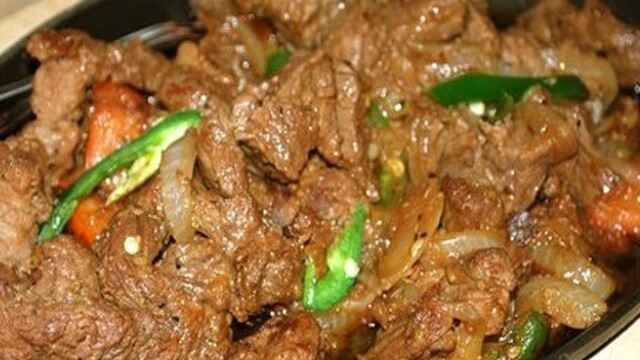
Equally emblematic is Canjeero, a spongy flatbread cousin to Ethiopia’s injera. Its slightly tangy flavor and pliable texture make it a versatile partner to stews and roasted meats. Paired with Suqaar—a Somali-style stew of diced meat cooked with cumin, cardamom, and coriander—canjeero becomes more than bread; it is a tool, a vessel, and a cultural bridge between traditions.
Along Djibouti’s coastline, seafood plays an essential role in the culinary repertoire. Grilled fish, shrimp, and calamari, often marinated with local spice blends and finished with a squeeze of lemon, reveal the country’s connection to the Red Sea and the Indian Ocean. These dishes, simple in presentation yet layered in flavor, balance freshness with the warmth of spice.
Street-side vendors add their own contributions to the nation’s food culture. Sambusas—golden pastry triangles filled with spiced meat or lentils—are a ubiquitous favorite. Crispy on the outside, tender within, they serve as both snack and social staple, enjoyed during gatherings or passed around with afternoon tea.
That tea, too, carries its own story. Known locally as Karak, it is brewed strong and flavored with cardamom, ginger, and occasionally cloves. More than a beverage, it is an expression of hospitality and community, often poured and shared in the company of family and friends.
Djiboutian cuisine is, at its core, a reflection of resilience and connection. It embodies centuries of exchange while maintaining the intimate rituals of family tables and neighborhood feasts. To taste it is to encounter the blending of histories—African, Arab, and European—preserved and reimagined in daily life.
Sources:
- Ministry of Culture and Communication, Republic of Djibouti. Cultural Policy and Heritage Report, 2022.
- Samatar, Abdi Ismail. Africa’s Horn: Cuisine, Culture, and Identity. University of Minnesota Press, 2018.
- Food and Agriculture Organization (FAO). “Traditional Food Practices in the Horn of Africa.” FAO Regional Report, 2021.